
Experiential Marketing Campaign Examples That Actually Work
August 7, 2026
Traditional advertising tells an audience about a brand. Experiential marketing lets them feel it firsthand, through touch, sound, taste or hands-on interaction. Looking at real experiential marketing campaign examples is one of the fastest ways to understand what separates a forgettable activation from one people talk about for months, long after the event itself has ended.
This guide breaks down what makes these campaigns work, a few examples worth learning from, and practical brand activation ideas you can adapt for your own audience.
What Makes a Strong Experiential Marketing Campaign
Not every branded event counts as true experiential marketing. The strongest campaigns tend to share a few common traits.
- A clear, single takeaway the audience remembers afterwards
- An interactive element, rather than a passive display
- A setting that fits naturally with where the audience already spends time
- Content built into the experience itself, encouraging organic sharing
- A tie-in to the product that feels earned, not forced
When these elements come together, the campaign does more than generate a moment of attention. It builds a genuine association between the brand and a positive, memorable experience, which is worth far more than a single impression on a banner ad.
Experiential Marketing Campaign Examples
Product Sampling and Pop-Up Cafes
Pop-up formats let a brand hand its product directly to an audience in a setting built entirely around that product. In Malaysia, agencies such as SFK have run pop-up activations for global brands, including a pop-up cafe concept that combines product sampling with a full retail and workshop experience, giving guests a reason to stay rather than just walk past.
Roadshow and Mall Activations
Roadshows bring a brand into high-traffic public spaces, often paired with a collectibles or loyalty mechanic to encourage repeat visits. Fuel and retail brands have used this format across Malaysia to combine sales activity with a branded experience, rather than treating the two as separate efforts.
Immersive Product Launch Reveals
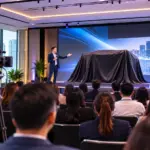
Instead of a simple stage presentation, some launches build an entire environment around the product, letting guests explore before the formal reveal. This approach works especially well for automotive, tech and F&B launches, where the product itself benefits from a hands-on first impression.
Interactive Exhibition Booths
At trade shows, the strongest booths give visitors something to do, not just something to look at, whether that’s a demo station, a game or a hands-on product trial. This turns passing foot traffic into a genuine conversation with the brand, and gives the sales team a natural reason to start talking.
Gamified and Hybrid Digital Experiences
Some of the most shareable campaigns now blend a physical setup with a digital layer, such as an augmented reality filter, a leaderboard or a scan-to-win mechanic. These formats work well because they give guests a reason to pull out their phone and share the moment, extending the campaign’s reach well beyond the people who attended in person.
Brand Activation Ideas to Consider
If you’re planning your own campaign, these brand activation ideas are a useful starting point:
- A branded pop-up in a high-traffic mall or event space
- A product sampling station tied to a loyalty or collectibles mechanic
- An interactive booth at a relevant trade show or exhibition
- A media preview event ahead of a wider public launch
- A roadshow that moves the experience directly to your audience
The strongest brand activation ideas usually connect back to a single clear goal, whether that’s driving a trial, building an email list or generating content for social media, rather than trying to do everything at once.
Getting Experiential Event Planning Right
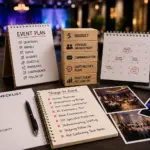
The idea is only half the work. Strong experiential event planning also requires the operational side: venue logistics, staffing, technical production and a clear plan for measuring results, whether that’s foot traffic, engagement or sales generated on the day.
Campaigns that look effortless to guests are usually the ones with the most planning behind the scenes, from vendor coordination to contingency plans for anything that might not go as scripted. This is where experiential event planning tends to separate from general event coordination, since the entire environment is designed around a single interactive moment rather than a fixed program.
Measuring What Matters
Without clear measurement, it’s hard to know whether an activation actually worked. Most campaigns track a mix of foot traffic, engagement time, samples distributed, leads collected and social mentions, depending on what the campaign was built to achieve in the first place.
Setting these targets before the campaign, rather than after, makes it much easier to judge success objectively and to justify the budget for the next one.
Common Mistakes to Avoid
A few recurring mistakes tend to hold campaigns back, even when the core idea is strong. Overcomplicating the interaction is one of the most common, since guests will walk past anything that looks like it takes more than a minute or two to understand and enjoy.
Ignoring the venue’s natural flow of foot traffic is another frequent issue. A brilliant activation tucked into a low-traffic corner will always underperform compared to a simpler one placed where people are already walking. It also pays to plan for weather, queues and peak crowd times in advance, rather than reacting to them on the day, since these are usually the details that make or break the guest experience.
Finally, campaigns that skip a clear call to action, such as a sign-up, a purchase prompt or a follow request, tend to generate excitement without converting it into a lasting result for the brand.
Final Thoughts
At its core, experiential marketing is about connection: transforming a brand message into a moment people can see, touch, and remember. The best campaigns feel effortless to the audience, but that seamlessness is the result of strategic thinking, creative vision, and meticulous execution behind the scenes. As a trusted event management agency based in Malaysia, SFK partners with leading brands to deliver everything from conferences and product launches to roadshows and brand activations across the region. With end-to-end execution, regional expertise, and a human-centered approach to design, they turn ideas into experiences that engage audiences and leave a lasting impression. Because in the end, people don’t just remember what they read, they remember what they felt. And that’s exactly what SFK helps brands create.